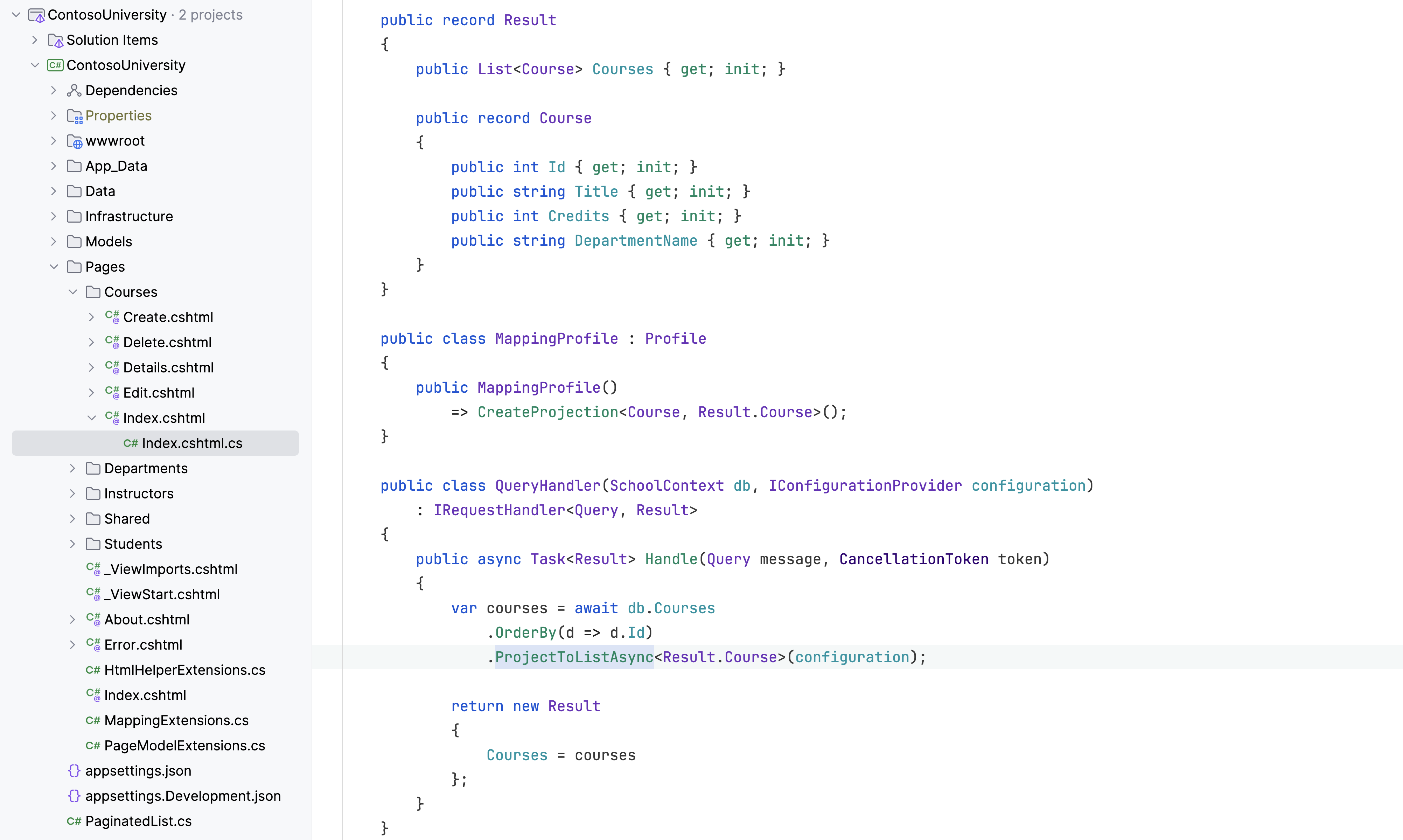
Enforce naming conventions and optimize complex object and LINQ mapping to simple DTOs.
Hundreds of millions of downloads. One simple idea.
Supports .NET 8.0+
and .NET Framework 4.6.2+
Elias exhaled a breath he didn’t realize he’d been holding. The bypass was working. The vault believed it was running on bare metal. It thought it was alone in the room.
Many VMs expose non-standard hardware that acts as a fingerprint.
VBoxManage setextradata "VM_Name" "VBoxInternal/Devices/pcbios/0/Config/DmiSystemProduct" "MyProduct" VBoxManage setextradata "VM_Name" "VBoxInternal/Devices/pcbios/0/Config/DmiSystemVendor" "Dell Inc." VBoxManage setextradata "VM_Name" "VBoxInternal/Devices/pcbios/0/Config/DmiSystemVersion" "OptiPlex 7020"
Many default VMs boot into low resolutions (like 800x600) and rarely have multiple monitors attached.
For blue teams: To defeat VM-aware malware, use (like PANDA or QEMU with record/replay) that simulates real delays and hardware quirks.
monitor_control.restrict_backdoor = "true" isolation.tools.getPtrLocation.disable = "true" cpuid.1.ecx = "0000:0000:0000:0000:0000:0000:0000:0000" Use code with caution.
Specialized hardening scripts are often run inside the VM to rename system services and drivers that belong to the hypervisor to generic names (e.g., renaming VBoxMouse.sys to a standard driver name). 3. Binary Instrumentation and Hooks
For VirtualBox, use VBoxManage setextradata commands to manually overwrite the BIOS, DMI, and system table strings with realistic manufacturing names (e.g., "Dell", "Intel").
<features> <kvm> <hidden state='on'/> </kvm> </features> <cpu mode='host-passthrough' check='none'> <feature policy='disable' name='hypervisor'/> </cpu>
Automated analysis sandboxes often exhibit unnatural environmental characteristics:
Remember: The goal is not to make a VM perfectly identical to bare metal (which is impossible given microarchitectural differences), but to make detection enough that malware chooses to run normally. And for malware analysts, once you successfully bypass detection, always re-test with multiple detection tools (Pafish, Al-khaser, custom scripts) to ensure you haven’t missed a subtle leak.
This public link is valid for 7 days and shares a thread, including any personal information you added. This link or copies made by others cannot be deleted. If you share with third parties, their policies apply. Can’t copy the link right now. Try again later.
Executing CPUID with specific inputs returns vendor strings. A physical Intel CPU returns GenuineIntel , while a hypervisor might return VMwareVMware or KVMKVMKVM . Bit 31 of the ECX register is also explicitly reserved to indicate the presence of a hypervisor.
Purchase through one of our trusted reseller partners.







Elias exhaled a breath he didn’t realize he’d been holding. The bypass was working. The vault believed it was running on bare metal. It thought it was alone in the room.
Many VMs expose non-standard hardware that acts as a fingerprint.
VBoxManage setextradata "VM_Name" "VBoxInternal/Devices/pcbios/0/Config/DmiSystemProduct" "MyProduct" VBoxManage setextradata "VM_Name" "VBoxInternal/Devices/pcbios/0/Config/DmiSystemVendor" "Dell Inc." VBoxManage setextradata "VM_Name" "VBoxInternal/Devices/pcbios/0/Config/DmiSystemVersion" "OptiPlex 7020"
Many default VMs boot into low resolutions (like 800x600) and rarely have multiple monitors attached. vm detection bypass
For blue teams: To defeat VM-aware malware, use (like PANDA or QEMU with record/replay) that simulates real delays and hardware quirks.
monitor_control.restrict_backdoor = "true" isolation.tools.getPtrLocation.disable = "true" cpuid.1.ecx = "0000:0000:0000:0000:0000:0000:0000:0000" Use code with caution.
Specialized hardening scripts are often run inside the VM to rename system services and drivers that belong to the hypervisor to generic names (e.g., renaming VBoxMouse.sys to a standard driver name). 3. Binary Instrumentation and Hooks Elias exhaled a breath he didn’t realize he’d
For VirtualBox, use VBoxManage setextradata commands to manually overwrite the BIOS, DMI, and system table strings with realistic manufacturing names (e.g., "Dell", "Intel").
<features> <kvm> <hidden state='on'/> </kvm> </features> <cpu mode='host-passthrough' check='none'> <feature policy='disable' name='hypervisor'/> </cpu>
Automated analysis sandboxes often exhibit unnatural environmental characteristics: It thought it was alone in the room
Remember: The goal is not to make a VM perfectly identical to bare metal (which is impossible given microarchitectural differences), but to make detection enough that malware chooses to run normally. And for malware analysts, once you successfully bypass detection, always re-test with multiple detection tools (Pafish, Al-khaser, custom scripts) to ensure you haven’t missed a subtle leak.
This public link is valid for 7 days and shares a thread, including any personal information you added. This link or copies made by others cannot be deleted. If you share with third parties, their policies apply. Can’t copy the link right now. Try again later.
Executing CPUID with specific inputs returns vendor strings. A physical Intel CPU returns GenuineIntel , while a hypervisor might return VMwareVMware or KVMKVMKVM . Bit 31 of the ECX register is also explicitly reserved to indicate the presence of a hypervisor.